In the quest to provide optimal care for their furry companions, new pet parents often seek guidance on selecting the best pet food. This article aims to equip pet owners with essential tips for navigating the realm of pet nutrition.
It focuses on the importance of quality ingredients pet food, deciphering pet food labels, and practical advice for transitioning to a new diet seamlessly. Discover where to find the highest quality pet food near you and ensure your pet’s well-being with informed choices.
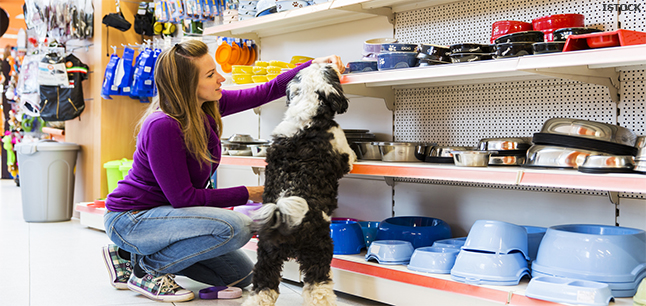
:max_bytes(150000):strip_icc()/cute-golden-retriever-and-tibetan-terrier-in-pet-store-652776610-5ad3c2f0a18d9e0036ba56a8.jpg)
Importance of Quality Pet Food
The significance of quality in pet food cannot be overstated for the optimal health and well-being of your furry companions. Just like humans, pets require a balanced diet to thrive. High-quality pet food provides essential nutrients, vitamins, and minerals necessary for their growth https://nourish.petuniverse.com/, energy levels, and overall health.
By choosing premium pet food options, you are investing in your pet’s long-term wellness and happiness. Quality pet food can also help prevent various health issues, such as obesity, allergies, and digestive problems. When selecting pet food, look for reputable brands that prioritize real ingredients and avoid fillers, artificial flavors, and preservatives.
Understanding Pet Food Labels
Understanding pet food labels is crucial for new pet parents as it directly influences the nutritional quality of the food their furry companions consume.
When deciphering pet food labels, look for key elements such as the guaranteed analysis, which provides information on the minimum percentages of crude protein and fat, and maximum percentages of fiber and moisture.
Ingredients are listed in descending order by weight, so ensure that high-quality proteins like chicken or salmon are at the top. Avoid artificial additives, colors, and by-products.
Look for statements like ‘complete and balanced’ to ensure the food meets your pet’s nutritional needs.
Factors to Consider When Choosing
When selecting pet food, new pet parents should consider various factors to ensure their furry companions receive the best nutrition possible.
Firstly, examine the ingredients list to ensure that high-quality proteins like chicken, beef, or fish are listed at the top. Avoid foods with fillers such as corn, wheat, and soy, which offer limited nutritional value.
Secondly, consider your pet’s specific dietary needs based on their age, size, and activity level. Some pets may require grain-free or hypoallergenic options.
Additionally, look for foods that are approved by veterinary nutritionists or meet the AAFCO standards to guarantee they offer complete and balanced nutrition.
Lastly, observe your pet’s reaction to the food to ensure they enjoy it and do not experience any adverse effects.
Where to Buy High-Quality Pet Food
For high-quality pet food, consider purchasing from reputable pet stores or specialty pet food retailers in your area. These establishments often carry premium brands that focus on the nutritional needs of pets without unnecessary fillers or by-products. Additionally, many of these stores have knowledgeable staff who can provide guidance on selecting the best food for your pet’s specific requirements.
Another option is to buy pet food online from trusted websites that specialize in premium pet products. Online retailers offer convenience and a wide selection of high-quality pet food brands that may not be available in local stores. By choosing reputable stores or online retailers, you can ensure that your pet receives the best nutrition possible.
Tips for Transitioning to New Food
To ensure a smooth transition to new food for your pet, consider gradually introducing the new diet alongside their current food. This gradual shift helps prevent digestive upsets and allows your pet to adjust comfortably.
Begin by mixing a small amount of the new food with their existing food, gradually increasing the proportion of the new food over 7-10 days. Monitor your pet’s response during this period, looking for any signs of gastrointestinal distress or refusal to eat.
Remember to provide plenty of fresh water and maintain a consistent feeding schedule. If your pet experiences any difficulties during the transition, consult your veterinarian for guidance.
Patience and a gradual approach will help your pet adapt to their new diet successfully.
Conclusion
In conclusion, ensuring your pet receives high-quality food is essential for their health and well-being. By understanding pet food labels, considering important factors, and knowing where to purchase quality pet food, you can provide the best nutrition for your furry friend.
Remember to gradually transition to new food to avoid any digestive issues. Prioritizing your pet’s nutritional needs will contribute to their overall happiness and longevity.
